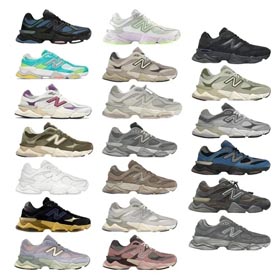
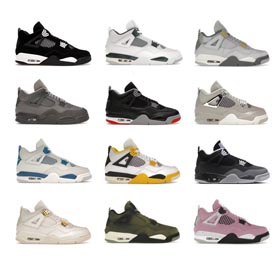
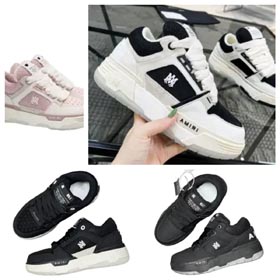
ok spreadsheet

Understanding user preferences is crucial for e-commerce platforms like Superbuy to enhance customer satisfaction and loyalty. By analyzing user demand data—including product categories, brand preferences, and budget ranges—retailers can tailor their services to meet specific needs. This article explores the application of clustering analysis in spreadsheets to segment Superbuy users into distinct demand groups and develop personalized recommendations.
Superbuy regularly collects user behavior data, including:
This data is organized in spreadsheets for structured analysis. Before clustering, preprocessing steps—such as handling missing values, normalizing numerical data, and encoding categorical variables—are essential to ensure reliable results.
Spreadsheet tools like Google Sheets or Excel support clustering via statistical functions or VBA
A distance-based algorithm categorizes users into predefined groups
Produces visual dendrograms to show natural groupings based on preference hierarchies—useful for discovering subgroup trends.1. K-means Clustering
2. Hierarchical Clustering
Segment
Key Characteristics
Group A
High-end tech products, Apple/Samsung loyalists
Group B
Fashion-conscious mid-budget buyers
Segements inform differentiated recommendations:
Implementing these strategies can increase conversion rates and long-term engagement.
okspreadsheet.com Legal Disclaimer: Our platform functions exclusively as an information resource, with no direct involvement in sales or commercial activities. We operate independently and have no official affiliation with any other websites or brands mentioned. Our sole purpose is to assist users in discovering products listed on other Spreadsheet platforms. For copyright matters or business collaboration, please reach out to us. Important Notice: okspreadsheet.com operates independently and maintains no partnerships or associations with Weidian.com, Taobao.com, 1688.com, tmall.com, or any other e-commerce platforms. We do not assume responsibility for content hosted on external websites.