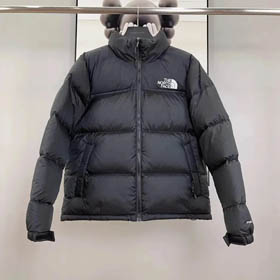
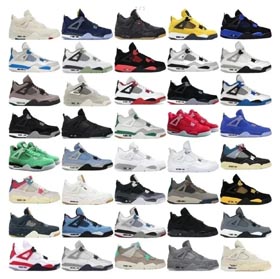
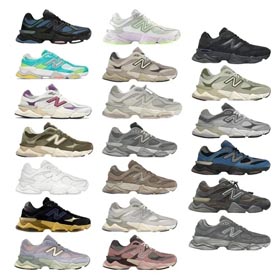
ok spreadsheet

In the competitive world of cross-border e-commerce, Ootdbuy purchasing agents face significant challenges in optimizing inventory management. This article explores how to leverage spreadsheet tools to build data-driven sales forecasting models and apply these insights to streamline inventory control—reducing costs while improving capital efficiency.
Collect and organize historical sales data in spreadsheets including:
Apply spreadsheet functions to detect patterns:
=FORECAST.ETS(target_date, sales_range, date_range, [seasonality], [data_completion], [aggregation])
Key techniques:
Build multivariate models to quantify impact factors:
=LINEST(sales_data, (price_range, promo_range, season_range), TRUE, TRUE)
Variables to test:
Spreadsheet implementation plan:
| SKU | Forecast Demand | Lead Time (days) | Current Stock | Reorder Point |
|---|---|---|---|---|
| OB-JKT-2024 | =C3*1.2 | Calculate animation |
Tie forecasts to financial planning:
Through proper implementation of time series forecasting and regression analysis in spreadsheets, Ootdbuy agents can achieve:
okspreadsheet.com Legal Disclaimer: Our platform functions exclusively as an information resource, with no direct involvement in sales or commercial activities. We operate independently and have no official affiliation with any other websites or brands mentioned. Our sole purpose is to assist users in discovering products listed on other Spreadsheet platforms. For copyright matters or business collaboration, please reach out to us. Important Notice: okspreadsheet.com operates independently and maintains no partnerships or associations with Weidian.com, Taobao.com, 1688.com, tmall.com, or any other e-commerce platforms. We do not assume responsibility for content hosted on external websites.